
large frameless mirror for gym
Understanding Hose Bib Check Valves A Comprehensive Guide When it comes to plumbing and outdoor irrigation systems, hose bibs play a pivotal role in facilitating water access. However, to ensure optimal performance and prevent potential issues like backflow, the installation of a hose bib check valve is essential. In this article, we will delve into the function, benefits, installation, and maintenance of hose bib check valves, helping homeowners and DIY enthusiasts better understand their importance. What is a Hose Bib Check Valve? A hose bib is a faucet located outside a building, providing a simple way to access water for gardening, cleaning, and other outdoor activities. However, without proper safeguards, water can flow back into the main water supply, posing health risks due to contamination. A hose bib check valve is a one-way valve that allows water to flow in only one direction, preventing backflow and ensuring that any water drawn from the hose bib does not re-enter the potable water supply. Importance of Check Valves The significance of check valves in plumbing systems cannot be overstated. They serve several vital functions 1. Backflow Prevention As water is drawn from the hose bib, a check valve stops any contaminated water from flowing back into the main supply, protecting drinking water quality. 2. Equipment Protection For those using sprinklers or other irrigation systems, check valves can prevent damage caused by backflow pressure, which may harm hoses and fittings. 3. Pressure Regulation Check valves can help maintain consistent water pressure within the system by preventing backflow, which can cause fluctuations in pressure and potentially damage watering systems. Types of Hose Bib Check Valves There are several types of hose bib check valves, each catering to specific needs . The most common include - Spring-Loaded Check Valve Utilizes a spring to keep the valve closed until water pressure from the hose bib opens it. This is a standard type of check valve suitable for most residential applications. - Gravity Check Valve Relies on gravity to close the valve when water is not flowing. This type is less common and generally used in specific applications where gravity can consistently keep the valve closed. - Dual-Check Valve Comprising two separate check valves, this type offers an additional layer of protection, making it ideal for preventing more significant contamination risks. hose bib check valve Installing a Hose Bib Check Valve Installing a hose bib check valve is a straightforward process that can typically be completed with basic plumbing skills. Here’s a step-by-step guide 1. Turn Off the Water Supply Before beginning any plumbing work, ensure the water supply to the hose bib is turned off. 2. Remove the Existing Hose Bib Unscrew the hose bib from its fitting. You may need a wrench for this step. 3. Install the Check Valve Depending on the type of check valve, follow the manufacturer’s instructions. Usually, the valve should be installed in the direction of water flow, which is typically marked on the valve body. 4. Reconnect the Hose Bib Once the check valve is in place, reattach the hose bib to its fitting. 5. Test the System After everything is reconnected, turn the water supply back on. Check for leaks and confirm that the valve is functioning correctly by testing the hose bib. Maintenance Tips Regular maintenance of hose bib check valves is crucial for ensuring they operate correctly over time. Here are some maintenance tips - Inspect Periodically Check for signs of wear, corrosion, or leaks. Regular inspections can help identify issues before they become significant problems. - Clean the Valve Sediment can sometimes build up in the valve, impairing its functionality. Cleaning it periodically can ensure smooth operation. - Winterizing In colder climates, it’s essential to winterize your outdoor plumbing to prevent freezing. This includes draining the hose bib and check valve to avoid damage. Conclusion In conclusion, hose bib check valves are critical components of outdoor plumbing systems, providing essential protection against backflow, equipment damage, and pressure fluctuation. By understanding their purpose, types, proper installation methods, and maintenance needs, homeowners can ensure their irrigation systems operate efficiently and safely. Investing time and effort into installing and maintaining a hose bib check valve will ultimately safeguard both your water supply and landscaping.
about
large frameless mirror for gym
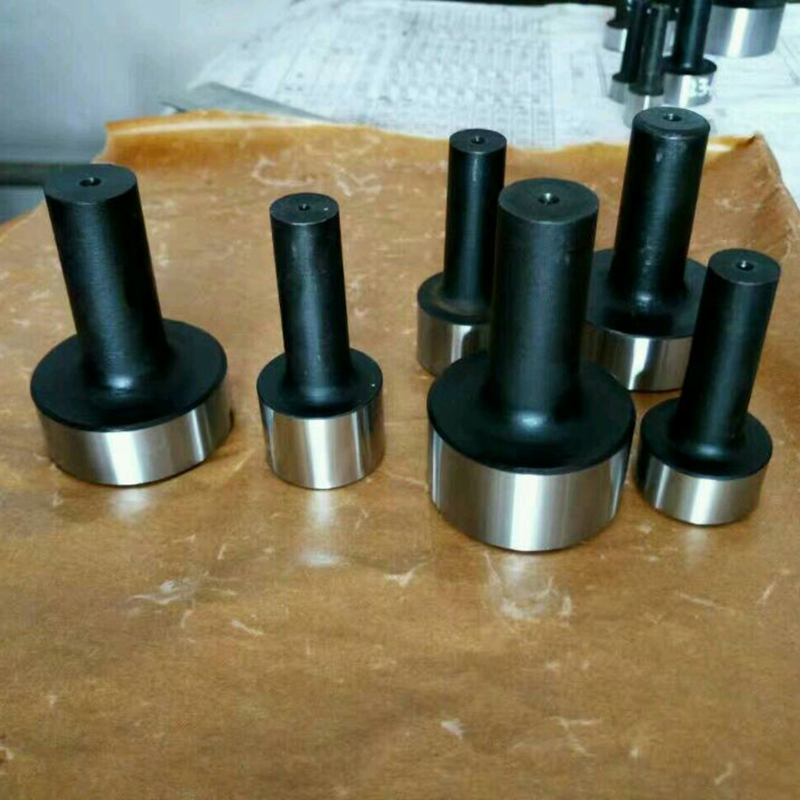
Understanding Taper Ring Gauges An Essential Tool in Industry In the world of precision engineering, the importance of accurate measurement cannot be overstated. One of the critical tools used to ensure that manufactured parts meet the required specifications is the taper ring gauge. This specialized measuring instrument plays a vital role in quality control processes across various industries, including automotive, aerospace, and manufacturing. In this article, we will explore what taper ring gauges are, their construction, how they are used, and their significance in ensuring product quality. What is a Taper Ring Gauge? A taper ring gauge is a conical-shaped measuring tool designed to assess the diameter of a tapered hole or the external diameter of a tapered workpiece. Typically made from high-quality steel and manufactured with extreme precision, taper ring gauges come in various sizes and taper angles, allowing them to fit over or into corresponding tapered sections of machinery or equipment. Using a taper ring gauge facilitates accurate assessments of the dimensional tolerances of components, ensuring they adhere to the specified engineering standards. Construction of Taper Ring Gauges The construction of taper ring gauges is crucial for their functionality and accuracy. A typical taper ring gauge will have the following features 1. Material High-quality tool steel or carbide is commonly used to ensure durability and resistance to wear. 2. Taper Angle The specific angle of the taper is designed to match standard sizes, with common angles being 110, 114, or 120, depending on the application. 3. Graduated Marks Many taper ring gauges are marked with graduations to provide visual precision when verifying dimensions . 4. Go/No-Go Feature Taper ring gauges are often designed with two sections—the “Go” and the “No-Go.” The “Go” section must enter the part being measured, indicating that the part is within tolerance. In contrast, the “No-Go” section should not fit, confirming that the dimensions are correct. How Taper Ring Gauges are Used Using a taper ring gauge is straightforward but requires a trained operator to ensure accurate results. The process generally follows these steps 1. Preparation The component to be measured should be clean and free from debris to avoid false readings. taper ring gauge 2. Insertion The operator places the gauge over or into the tapered hole or surface, starting with the Go section. If it fits smoothly, the dimensions are likely within tolerance. 3. Verification The operator then checks the No-Go section. If this section does not fit, it confirms that the taper meets specifications. 4. Record Keeping It is vital to document the measurements and outcomes for quality control records, which helps in maintaining manufacturing standards and procedures. The Importance of Taper Ring Gauges in Industry Taper ring gauges are invaluable in maintaining the quality and integrity of manufactured products. Here are a few reasons why they are essential 1. Precision They provide precise measurements, which are critical in ensuring that parts fit together correctly, especially in complex assemblies like engines or machinery. 2. Quality Control Regular use of taper ring gauges in production lines helps catch errors early, reducing the chances of defective products reaching the market. 3. Standardization They help adhere to industry standards and specifications, which is crucial for safety and performance, particularly in industries where tolerances are tight. 4. Cost-Effectiveness By preventing manufacturing defects and ensuring parts fit together correctly, taper ring gauges ultimately save companies money by reducing waste and rework. Conclusion In summary, taper ring gauges are essential tools in the realm of precision measurement, playing a crucial role in the quality control process across various industries. Their design, functionality, and importance in ensuring that components meet specified tolerances cannot be overstated. As industries continue to evolve and demand for precision grows, taper ring gauges will remain a fundamental part of the manufacturing toolkit, safeguarding the integrity and reliability of products across the board.
-

High quality industrial productsagement

High quality industrial products
View Details -

Meet the diverse needs of customers

Meet the diverse needs of customers
View Details -

Strict quality control

Strict quality control
View Details -

Top raw materials

Top raw materials
View Details -

Trusted supplier

Trusted supplier
View Details
Our application

news and information
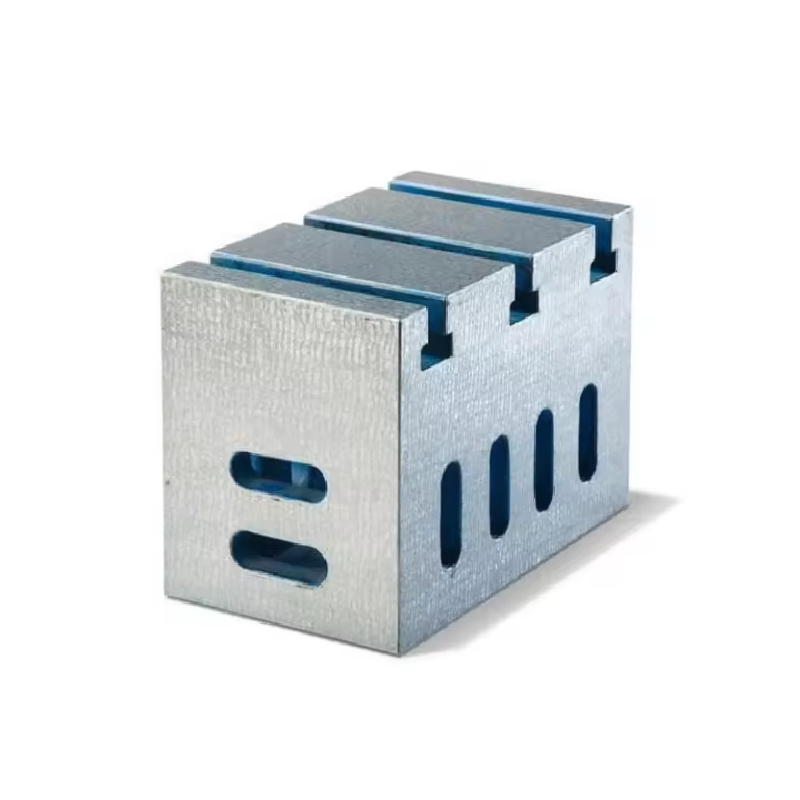
Vertical Y Strainer for Efficient Fluid Filtration Solutions
Understanding Vertical Y Strainers A Key Component in Fluid Systems In various industrial and munici

water pressure valve
Understanding Water Pressure Valves A Crucial Component for Plumbing Systems Water pressure valves a
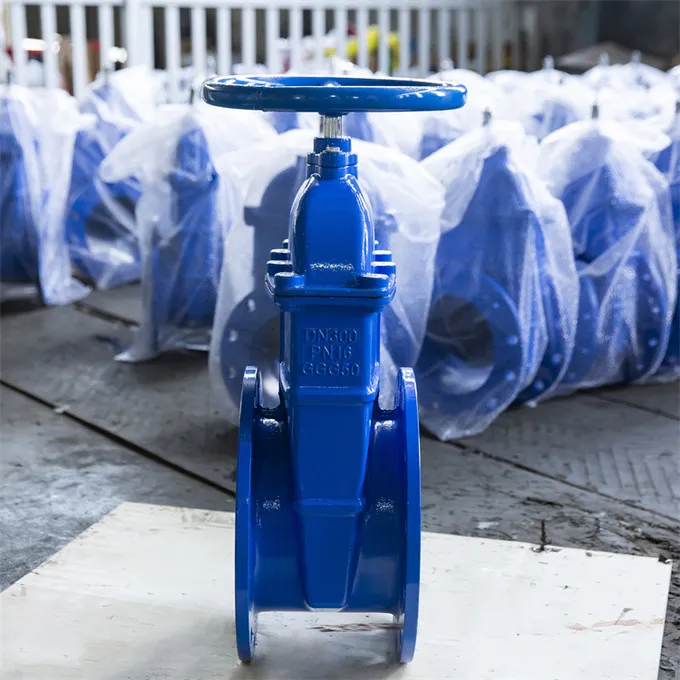
Water gate valve price
In the complex landscape of water management and distribution systems, the water gate valve holds a
 English